In this AVIQ Podcast episode host, Eddah, a tax and accounting associate discuss the simplified PAYE and how it makes filing easier, faster, and more convenient. She is joined by Wangechi Kanyeki, a small business owner.
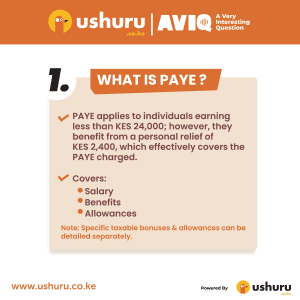
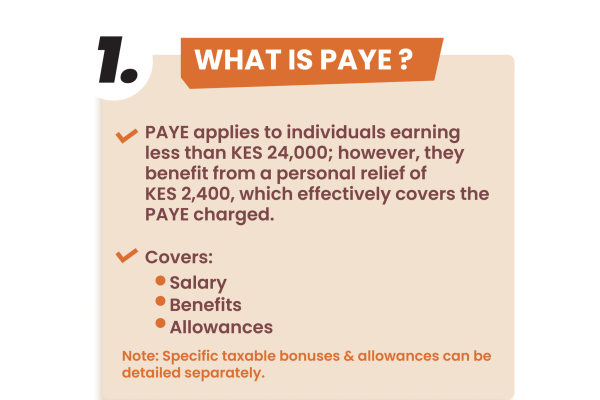
Understanding PAYE:
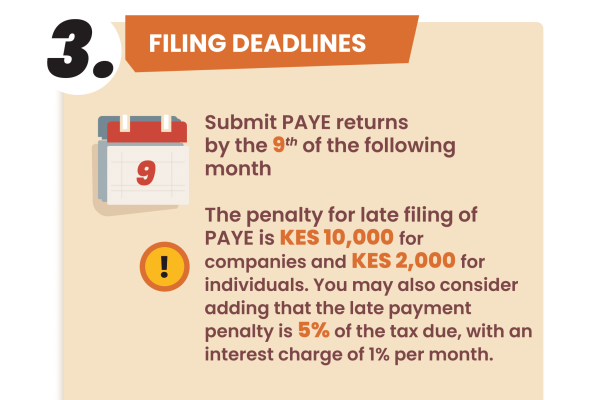
Submission Frequency and Penalties:
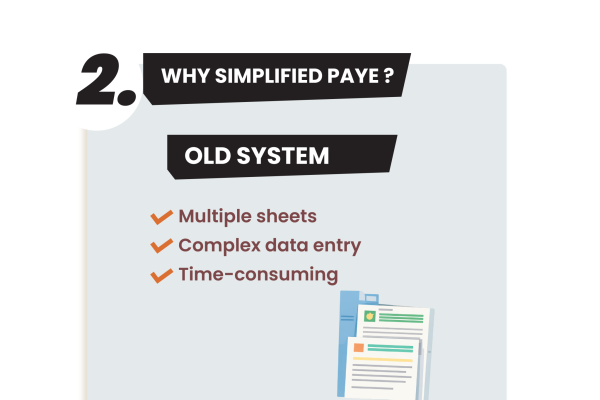
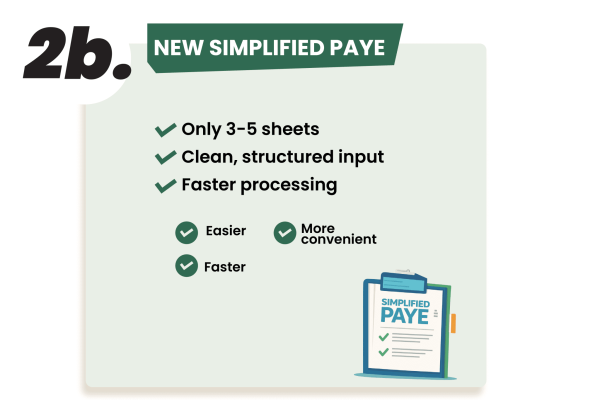
- Simplified PAYE vs. Old System: The recently introduced simplified PAYE Excel is a summarized version (between 3–5 sheets) replacing the old, detailed Excel that contained multiple sheets. While the old version had many sheets, the simplified version typically has only three sheets. If using fringe or gratuity benefits, it may have five sheets.
- Recommendations for Employers: Employers are encouraged to adopt the new system early, train their teams on how to use it, and ensure filing is completed before the 9th of each month.
Click HERE for assistance on filing monthly PAYE returns for your employees.
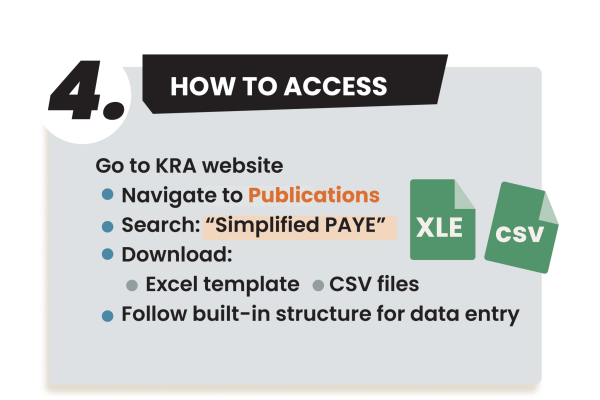
- Accessing the System: The simplified PAYE tools can be accessed on the KRA website under publications. Users can search for “simplified PAYE” to find the CSV and Excel files, which provide the necessary structure and guidance for data input.
If you are unable to manage compliance on your own, it is always good to speak to an expert. Get in touch, and we will be able to help you.
Disclaimer: Any advice in this publication is limited to the conclusions specifically set forth herein and is based on the completeness and accuracy of the stated facts, assumptions and/or representations included. In rendering our advice, we may consider legal authorities that are subject to change, retroactively and/or prospectively, and any such changes could affect the validity of our advice. We will not update our advice for subsequent changes or modifications to the law and regulations, or to the judicial and administrative interpretations thereof.